HUMAN RIGHTS WATCH
Egypt: Stop Anti-LGBT Crackdown, Intimidation
‘Rainbow Flag’ Arrests Violate Privacy, Freedom of Expression
September 30, 2017

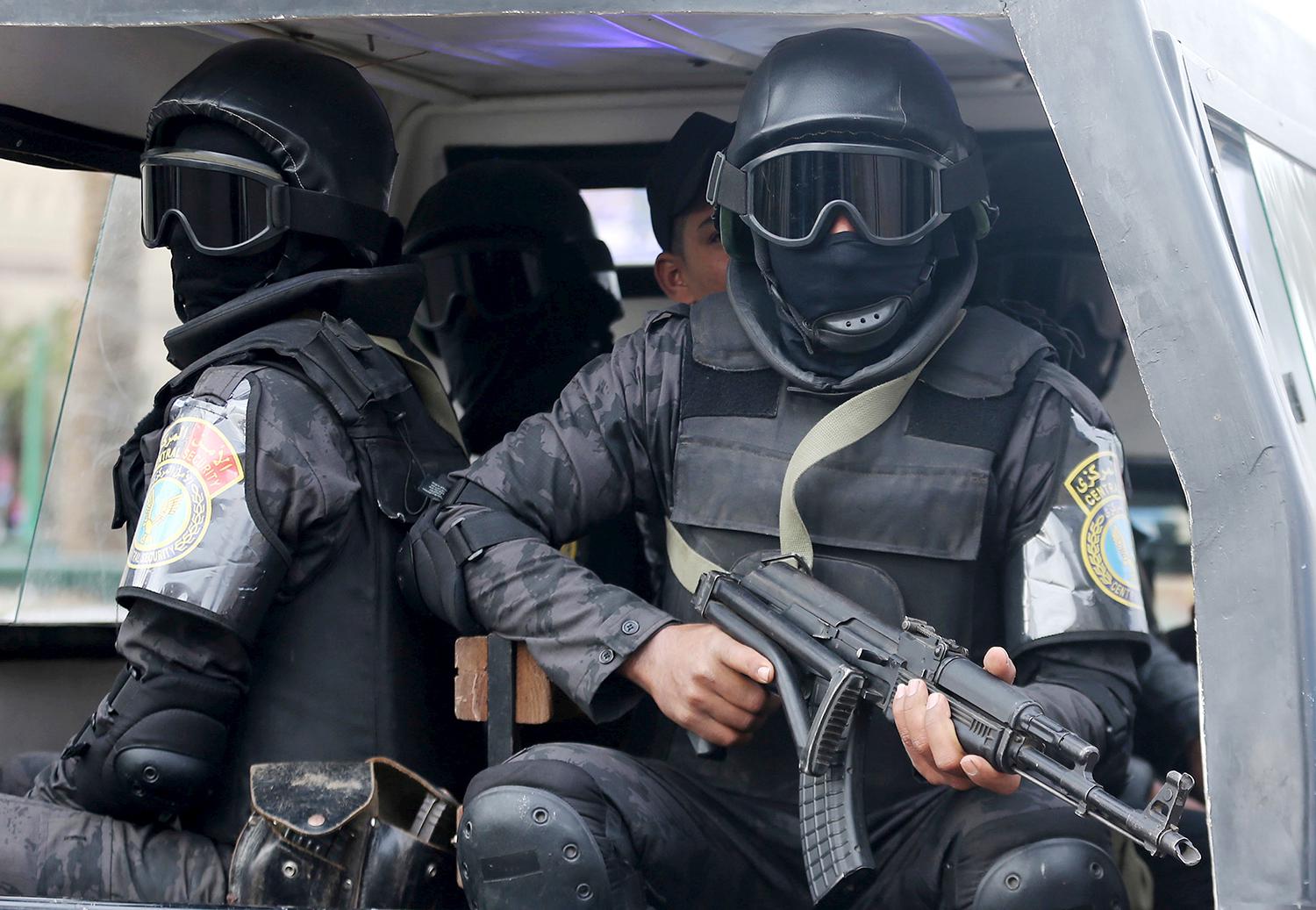
Egypt should stop arresting and harassing people suspected of homosexuality using trumped-up “debauchery” and “inciting debauchery” charges, Human Rights Watch said today. Security forces rounded up at least eleven people in the days following a September 22, 2017 concert in Cairo at which young concertgoers waved rainbow flags, a symbol of solidarity with lesbian, gay, bisexual or transgender (LGBT) people, a defiant act in a country known to persecute gay men and transgender people.
After concertgoers shared photos of the rainbow flag display on social media, pro-government media went on an overdrive attack and conservative politicians and religious leaders demanded that the government take action. Police arrested one man on September 23 through entrapment on a dating app, a common police technique in Egypt, and claimed he had been among those to wave a flag.
On September 25, the government said that it had arrested seven people identified through video footage of the concert. Several Egyptian activists questioned the veracity of this claim, but they documented additional arrests on September 27, when police picked up six men from the streets, charging them with debauchery and claiming they were all involved in the rainbow flag incident.
“Whether they were waving a rainbow flag, chatting on a dating app, or minding their own business in the streets, all these debauchery arrest victims should be immediately released,” said Sarah Leah Whitson, Middle East and North Africa director at Human Rights Watch. “The Egyptian government, by rounding people up based on their presumed sexual orientation, is showing flagrant disregard for their rights.”
The Dokki Misdemeanor Court in Giza sentenced the first victim on September 26 to six years in prison and a fine for “debauchery,” based on his presumed sexual conduct, and “inciting debauchery,” as prosecutors alleged he was among those who raised the rainbow flag at the concert. The court sentenced him to an additional six years of probation which will require reporting to the police from 6p.m. to 6a.m. until 2029. No lawyer was present at his trial. He now has legal representation, and his appeal will be heard on October 11.
The six men arrested on September 27 are scheduled for trial on October 1. At least two more men were arrested on September 28 because of their presumed sexual orientation, and Egyptian media reported that another six men were arrested on September 28 in a raid on a home, although Human Rights Watch has not independently verified that report.
At the September 22 concert, people raised rainbow flags during the performance of the Lebanese group Mashrou’ Leila, which has an openly gay lead singer and has performed songs addressing same-sex relationships and gender identity. The Egyptian Musicians Syndicate opened an investigation into the event and banned future Mashrou’ Leila concerts in Egypt.
In Egypt, police routinely round up gay and bisexual men and transgender women, actively seeking them out and entrapping them on dating apps and through social media. One Cairo-based organization has documented the prosecution of at least 34 people for consensual same-sex conduct in the last 12 months. Since President Abdel Fattah al-Sisi came into power in 2014, several hundred people have been imprisoned on charges of consensual same-sex conduct.
Egyptian activists told Human Rights Watch they fear that the past week’s arrests could signal the beginning of an even harsher crackdown on LGBT people and those who publicly support them.
Egypt’s Forensic Medicine Authority also routinely subjects people to forced anal examinations. The archaic technique was devised in the 19th century to seek “evidence” of homosexual conduct, but forensic experts around the world have condemned the practice as lacking any scientific validity and violating medical ethics. The UN special rapporteur on torture, the UN Committee Against Torture, and the African Commission on Human and Peoples’ Rights have described the exams as a form of torture or ill-treatment, prohibited under international law. The Egyptian Medical Syndicate has taken no steps to prevent doctors from conducting these degrading exams.
Egypt is a state party to the International Covenant on Civil and Political Rights, which protects the rights to privacy and to freedom of expression. Egypt’s constitution also protects these rights.
“Egypt should stop dedicating state resources to hunting people down for what they allegedly do in their bedrooms, or for expressing themselves at a rock concert, and should instead focus energy on improving its dire human rights record,” Whitson said.
*Photo by Jamal Saidi, courtesy of Reuters
Egypt: Stop Anti-LGBT Crackdown, Intimidation
‘Rainbow Flag’ Arrests Violate Privacy, Freedom of Expression
September 30, 2017

Egypt should stop arresting and harassing people suspected of homosexuality using trumped-up “debauchery” and “inciting debauchery” charges, Human Rights Watch said today. Security forces rounded up at least eleven people in the days following a September 22, 2017 concert in Cairo at which young concertgoers waved rainbow flags, a symbol of solidarity with lesbian, gay, bisexual or transgender (LGBT) people, a defiant act in a country known to persecute gay men and transgender people.
After concertgoers shared photos of the rainbow flag display on social media, pro-government media went on an overdrive attack and conservative politicians and religious leaders demanded that the government take action. Police arrested one man on September 23 through entrapment on a dating app, a common police technique in Egypt, and claimed he had been among those to wave a flag.
On September 25, the government said that it had arrested seven people identified through video footage of the concert. Several Egyptian activists questioned the veracity of this claim, but they documented additional arrests on September 27, when police picked up six men from the streets, charging them with debauchery and claiming they were all involved in the rainbow flag incident.
“Whether they were waving a rainbow flag, chatting on a dating app, or minding their own business in the streets, all these debauchery arrest victims should be immediately released,” said Sarah Leah Whitson, Middle East and North Africa director at Human Rights Watch. “The Egyptian government, by rounding people up based on their presumed sexual orientation, is showing flagrant disregard for their rights.”
The Dokki Misdemeanor Court in Giza sentenced the first victim on September 26 to six years in prison and a fine for “debauchery,” based on his presumed sexual conduct, and “inciting debauchery,” as prosecutors alleged he was among those who raised the rainbow flag at the concert. The court sentenced him to an additional six years of probation which will require reporting to the police from 6p.m. to 6a.m. until 2029. No lawyer was present at his trial. He now has legal representation, and his appeal will be heard on October 11.
The six men arrested on September 27 are scheduled for trial on October 1. At least two more men were arrested on September 28 because of their presumed sexual orientation, and Egyptian media reported that another six men were arrested on September 28 in a raid on a home, although Human Rights Watch has not independently verified that report.
At the September 22 concert, people raised rainbow flags during the performance of the Lebanese group Mashrou’ Leila, which has an openly gay lead singer and has performed songs addressing same-sex relationships and gender identity. The Egyptian Musicians Syndicate opened an investigation into the event and banned future Mashrou’ Leila concerts in Egypt.
In Egypt, police routinely round up gay and bisexual men and transgender women, actively seeking them out and entrapping them on dating apps and through social media. One Cairo-based organization has documented the prosecution of at least 34 people for consensual same-sex conduct in the last 12 months. Since President Abdel Fattah al-Sisi came into power in 2014, several hundred people have been imprisoned on charges of consensual same-sex conduct.
Egyptian activists told Human Rights Watch they fear that the past week’s arrests could signal the beginning of an even harsher crackdown on LGBT people and those who publicly support them.
Egypt’s Forensic Medicine Authority also routinely subjects people to forced anal examinations. The archaic technique was devised in the 19th century to seek “evidence” of homosexual conduct, but forensic experts around the world have condemned the practice as lacking any scientific validity and violating medical ethics. The UN special rapporteur on torture, the UN Committee Against Torture, and the African Commission on Human and Peoples’ Rights have described the exams as a form of torture or ill-treatment, prohibited under international law. The Egyptian Medical Syndicate has taken no steps to prevent doctors from conducting these degrading exams.
Egypt is a state party to the International Covenant on Civil and Political Rights, which protects the rights to privacy and to freedom of expression. Egypt’s constitution also protects these rights.
“Egypt should stop dedicating state resources to hunting people down for what they allegedly do in their bedrooms, or for expressing themselves at a rock concert, and should instead focus energy on improving its dire human rights record,” Whitson said.
*Photo by Jamal Saidi, courtesy of Reuters